
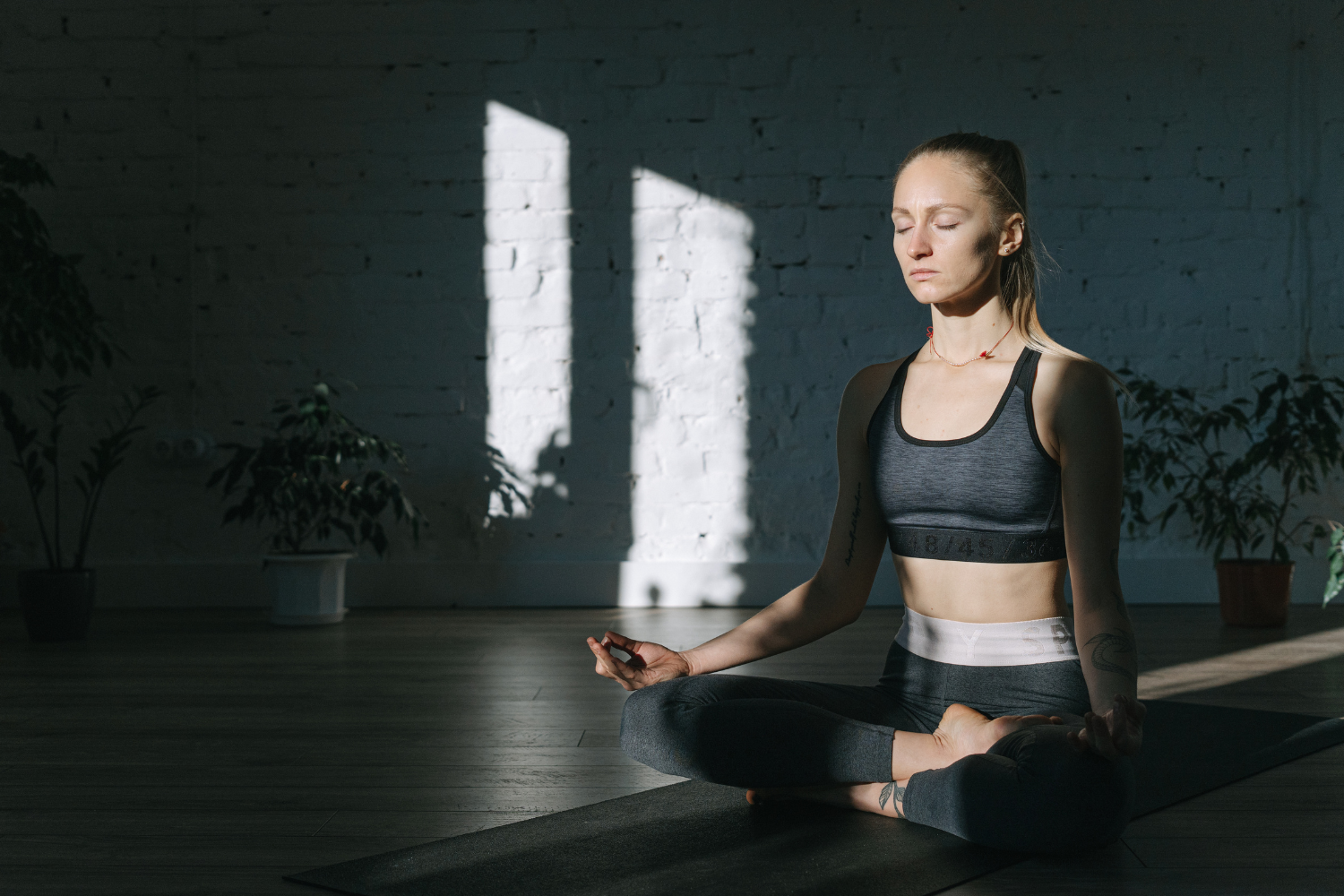
Busy parents, desk-based professionals, and caregivers juggling work, home, and health often want everyday well-being to feel steady, but time and energy rarely cooperate. The core tension is simple: general wellness practices get framed as all-or-nothing, so inconsistent schedules and small setbacks make simple health habits feel pointless. A more workable approach treats wellness as a series of head-to-toe health strategies that fit into real days, even when plans change. With the right daily self-care routines, better days become repeatable.
Build a Head-to-Toe Wellness Flow That Sticks
This quick stack helps you cover stretching, sleep, stress, skin, oral care, hydration, and connection without needing extra hours. It matters because a repeatable flow works even when your day gets messy.
- Anchor two tiny “bookends” (AM + PM)
Start with one morning action and one evening action you can do in under two minutes, even on chaotic days. Think: a short stretch when you stand up and a simple bedtime reset when you turn off the lights. These bookends create consistency, so the rest can grow naturally. - Add a 3-minute daily stretch right after a trigger
Choose a single trigger you already do daily, like after brushing your teeth or right after you sit at your desk, then do a basic head-to-toe stretch sequence (neck, shoulders, hips, calves). Keep it gentle and predictable, not intense. The goal is to build the habit, not to “win” the workout. - Set a 10-minute sleep and stress shutdown routine
Pick a fixed “screens off” moment and fill the next 10 minutes with one calming stress tool: slow breathing, a short body scan, or writing tomorrow’s top three tasks. Better sleep supports mental wellbeing, and research linking improved sleep with reduced depression shows why this step can pay off beyond energy. - Pair hygiene with hygiene (skin + mouth) at the sink
While you are already at the sink, stack your basics in one pass: cleanse and moisturize your face, then brush and floss, then apply lip balm if you use it. Make it “one location, one order,” so you rely less on motivation and more on routine. If you miss a step, restart at the next sink visit with zero guilt. - Build hydration and connection into your afternoon
Place a water bottle where your eyes land often and tie refills to daily transitions like lunch or school pickup, so hydration happens automatically. Then schedule one small social touchpoint: a two-minute check-in text, a quick voice note, or a brief walk with someone. The loneliness health crisis is a good reminder that connection is not a bonus, it is part of staying well.
Strengthen Your Mind With Lifelong Learning That Builds Purpose
Once building daily wellness flow is in place, the next boost can come from keeping your mind engaged in ways that deepen meaning. Lifelong learning supports mental well-being by keeping your brain active while you build new skills and perspectives. As you learn, you create steady personal growth, turning curiosity into progress, and that forward motion can strengthen confidence in everyday decisions and bigger life goals.
An online degree can offer those benefits no matter your career track, giving you a structured way to keep learning while balancing the rest of your life. And if healthcare leadership is part of your purpose, a clear starting line can be earning a master’s degree in health administration to develop your healthcare knowledge and expertise as a leader.
Support Your Well-Being Through Yoga
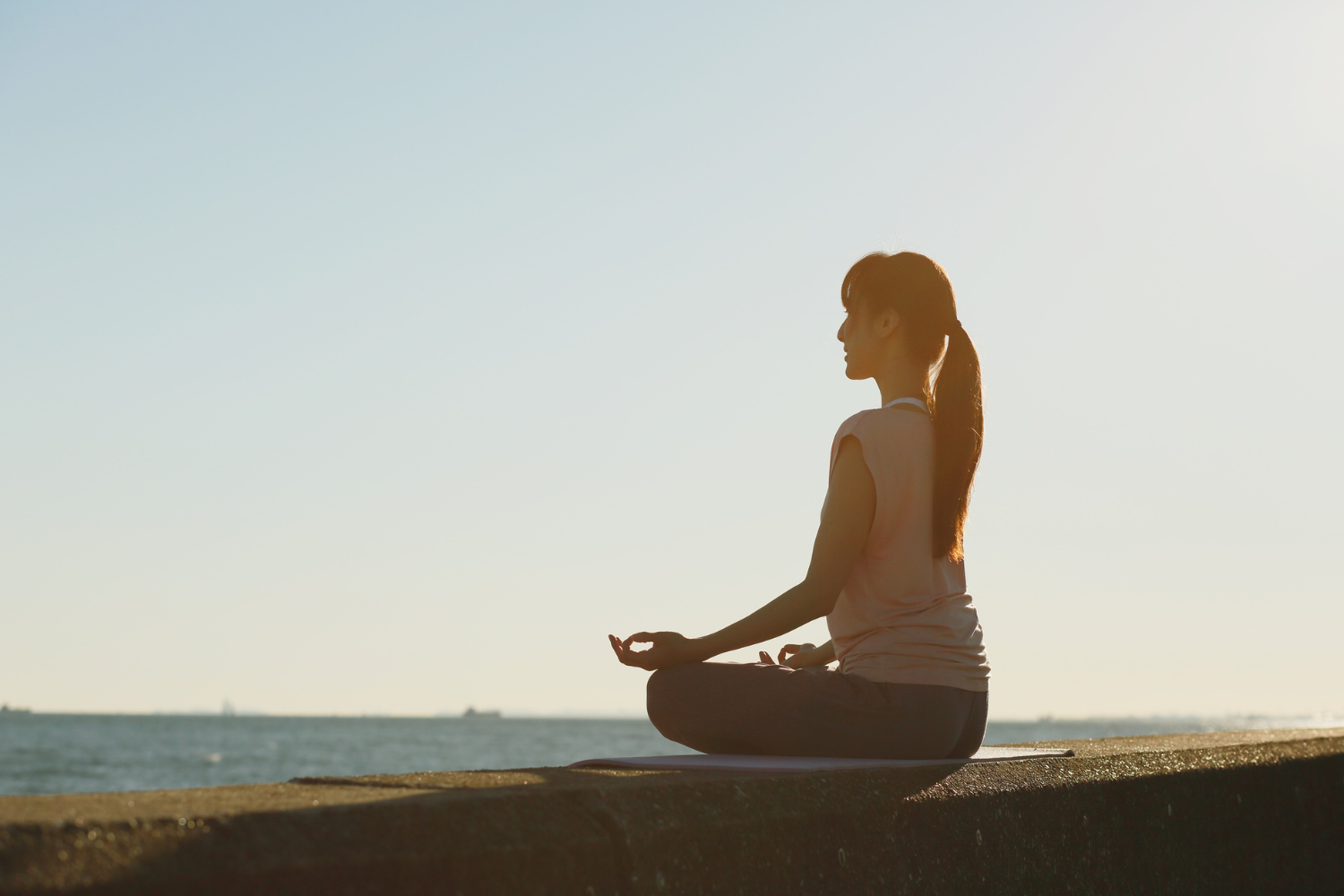
Yoga offers a holistic approach to wellness by combining gentle movement, stretching, controlled breathing, and mindfulness to support both physical and mental health. Practicing yoga regularly can improve flexibility, balance, and posture while helping reduce stress, ease muscle tension, and encourage relaxation. Whether you’re looking to boost your fitness, manage everyday stress, or simply create a healthier routine, yoga provides an accessible way to nurture overall well-being.
Head-to-Toe Habits You Can Repeat All Week
Simple, named habits reduce decision fatigue and help you notice progress from head to toe. Start with one or two, then stack more as they become easy.
Two-Minute Morning Stretch
- What it is: Do gentle neck, shoulder, hip, and calf stretches right after you get up.
- How often: Daily
- Why it helps: Flexibility is recognized as a key fitness component that supports comfortable movement.
Water With Every Meal
- What it is: Drink a full glass of water at breakfast, lunch, and dinner.
- How often: Daily
- Why it helps: Steady hydration supports energy, digestion, and clearer hunger cues.
Wind-Down Sleep Cue
- What it is: Dim lights and put screens away 30 minutes before bedtime.
- How often: Nightly
- Why it helps: A consistent cue helps your body settle into sleep faster.
SPF Before You Step Out
- What it is: Apply broad-spectrum sunscreen to face, neck, and hands before leaving home.
- How often: Daily
- Why it helps: Daily protection helps reduce cumulative sun damage over time.
Brush, Floss, Check-In
- What it is: Brush twice and floss once, noting any soreness or bleeding.
- How often: Daily
- Why it helps: Many adults report pain in their mouth, so early attention can prevent bigger issues.
Everyday Wellness Questions, Answered
Q: How can I improve sleep without chasing viral “sleep hacks”?
A: Start with one consistent cue: same wind-down time, dimmer lights, and a bedroom that feels calm. Many U.S. adults try social media trends, but basics usually work best when you repeat them nightly. If your mind races, write tomorrow’s to-do list on paper, then put it away.
Q: What if I miss a day and feel like I failed?
A: Treat a miss as a data point, not a character flaw. Shrink the habit to a “minimum version,” like 30 seconds of stretching or one glass of water, then build back up.
Q: Can coffee count toward hydration, or does it dehydrate me?
A: Moderate coffee can still fit into a hydrated day. One review found no evidence of dehydration when people drank up to 4 cups daily. Keep your simple anchor by pairing coffee with water.
Q: Why bother with sunscreen when it’s cloudy or cold?
A: UV exposure can still add up outside of summer. Snow can reflect up to 80% of UV radiation, so daily protection helps even on bright winter days. Keep SPF by your keys so it is harder to forget.
Q: Should I floss if my gums bleed?
A: Gentle flossing can help, but bleeding is a sign to slow down and check technique. Use a soft touch, curve the floss around each tooth, and keep going for a week while monitoring tenderness. If bleeding persists or pain increases, schedule a dental check-in.
Build Everyday Wellness With One Consistent Habit at a Time
Modern routines make it easy to overthink wellness, then stall when the “perfect” plan feels out of reach. The steadier path is head-to-toe health integration: treating sleep, stress, skin, oral care, hydration, movement, and nutrition as connected signals, and letting consistent health habits carry the load. Over time, motivation for routine self-care becomes less about willpower and more about identity, delivering long-term wellness benefits and quiet confidence through empowerment through health. Start small, stay consistent, and let your body reward the routine. Choose one habit today and repeat it daily for the next two weeks, adjusting without quitting. That consistency builds stability and resilience that supports better health in every season.