
Health-conscious individuals juggling work, family, and fitness often hit the same daily well-being challenges: stress that lingers, stiff joints that make movement feel limited, and a constant sense that self-care requires more time than the schedule allows. The core tension is wanting better physical and mental wellness while feeling trapped between motivation dips and routines that don’t stick. A steadier approach starts by trading all-or-nothing thinking for small, repeatable self-improvement routines that fit real life. With the right motivational strategies, you can boost your well-being every day and consistency becomes easier to maintain.
Use 10 Minutes of Inspiring Podcasts to Stay Consistent
Listening to an inspiring podcast for just 10 minutes can boost daily well-being by giving you motivation, simple mindset shifts, and encouraging stories that make it easier to stay focused, positive, and emotionally balanced throughout the day. Hearing how someone worked through setbacks can put your own stress in perspective, and a few practical insights can nudge you back toward a more hopeful, steady outlook when your energy dips.
If you like success-story interviews, try an alumni podcast that shares uplifting stories and practical takeaways from people who transformed their lives through learning. When you want a ready-to-listen example, you can check this out for that kind of motivation and advice as you consider your own path.
Build Your Feel-Best Plan With 7 Daily Practices
A plan you’ll actually follow is one you can mix and match. Use these seven daily practices like a menu, pick two to start, then add one at a time as they become automatic.
- Set a 10-minute “anchor” practice: Choose one small habit you’ll do even on busy days, 2 minutes of breathing, 6 minutes of gentle movement, 2 minutes of stillness. Pair it with the inspiring podcast habit: press play, then begin your anchor before the episode ends. This turns motivation into an immediate action loop rather than “something you’ll do later.”
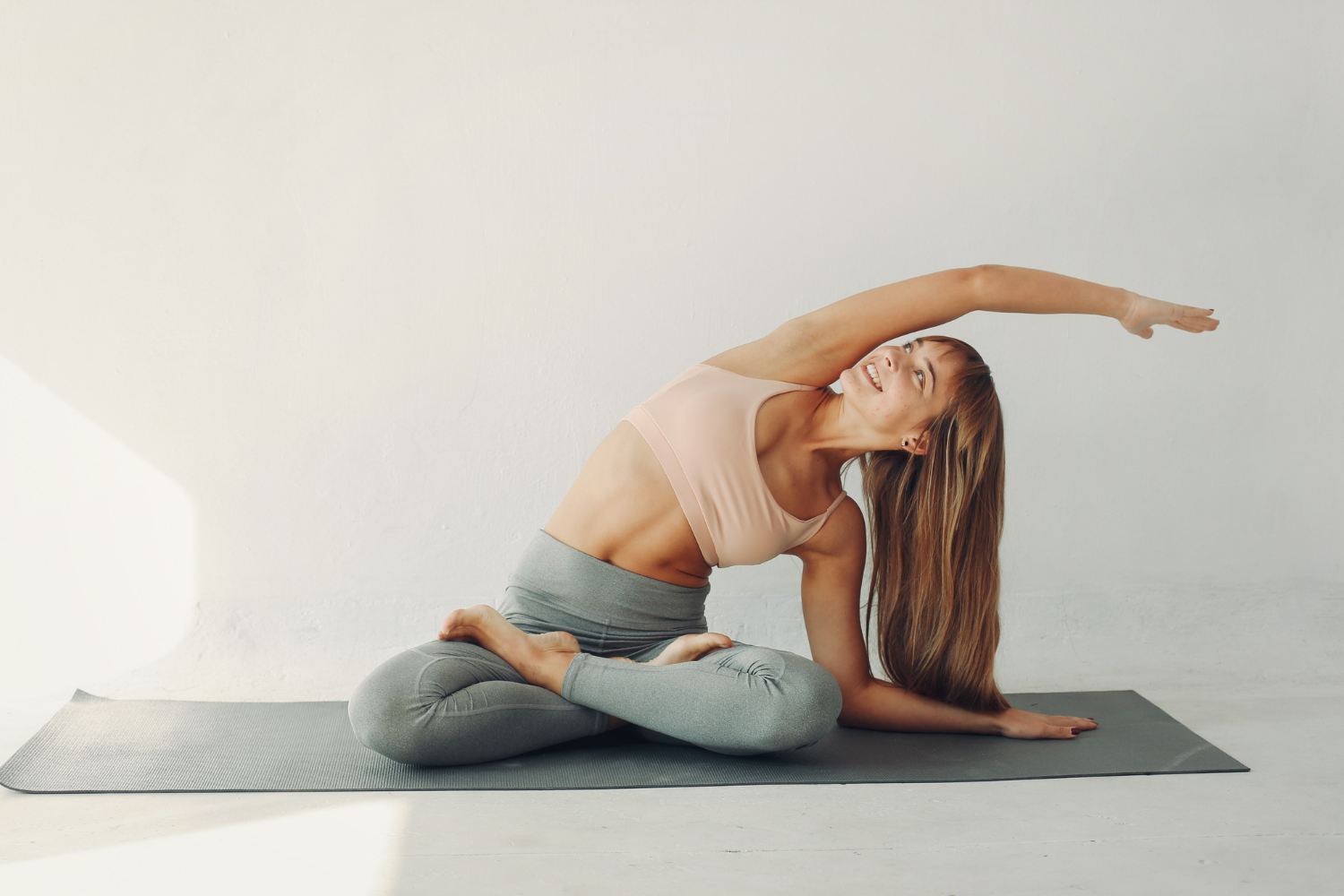
- Match your yoga style to your energy, not your ideal self: On low-energy days, do restorative or chair yoga with long, supported holds. On average days, try beginner vinyasa with simple transitions like cat-cow to downward dog. On high-stress days, pick slow flow or yin-style shapes and make the goal “steady breathing,” not big poses.
- Use a 3-step self-care reset at midday: Set a reminder for a quick check-in: drink a full glass of water, step outside for 3 minutes of daylight, then do 5 shoulder rolls and 5 neck circles. This is intentionally basic, small physical cues can interrupt tension before it becomes a headache or evening crash. If you work at a desk, add a 30-second wrist and forearm stretch to protect your hands and shoulders.
- Build one balanced plate you can repeat: Keep it beginner-simple: half your plate colorful plants, a palm of protein, and a fist of slow carbs. Stock “defaults” you can assemble fast, Greek yogurt plus berries and nuts, eggs with sautéed greens, or a grain bowl with beans and pre-cut veggies. Consistency beats novelty; repeating a few go-to meals reduces decision fatigue and supports steady energy for practice.
- Practice a short stress-relief technique you can measure: Try 5 minutes of mindfulness meditation using a simple script: notice breath, count 1–10, restart when distracted. A study found 30% over three months when people practiced mindfulness meditation regularly, so track your stress from 1–10 before and after to see your own pattern. If sitting still feels hard, do the same practice while walking slowly.
- Add two flexibility builders after any movement: Keep it safe and effective: do 45 seconds of calf stretch per side and 45 seconds of hip flexor stretch per side, breathing slowly. Follow with 5 controlled “thread the needle” shoulder rotations to unwind upper-back tightness. You’ll improve range of motion without needing long sessions, and these pair well after short yoga flows or walks.
- Choose one hobby that downshifts your nervous system: Pick something that fully occupies your hands and attention: gardening, sketching, knitting, puzzles, playing an instrument, or cooking a new recipe once a week. Schedule it right after work or dinner as a “landing pad” so stress doesn’t roll into late-night scrolling. If you like meditation music, use it as a consistent cue that it’s time to shift gears.

Start Yoga Today: Pick a Style That Fits Your Stress Level
As you build your daily feel-best plan, yoga can be one of the simplest anchors to add. Yoga pairs gentle movement with steady breathing, helping you notice tension, reset your nervous system, and feel more at ease in your body, whether you need calm, energy, or balance.
Everyday Yoga and Self-Care: Common Questions
Q: What’s the safest way to start yoga if I’m stiff or new to exercise?
A: Choose a gentle style like restorative or beginner hatha and keep the goal small: 5 to 10 minutes. Move slowly, use props like a folded blanket, and stop sharp or pinching pain immediately. If you have a medical condition or recent injury, check in with a clinician before starting.
Q: How can I calm stress fast when I don’t have time for a full practice?
A: Try 60 to 90 seconds of slow breathing: inhale through the nose, exhale longer than you inhale. Stress is common, and nearly half of all Americans report frequent stress, so short resets are worth using. Pair it with a shoulder roll or forward fold at the desk.
Q: Can yoga help if I feel anxious or can’t “turn my mind off”?
A: Yes, but aim for noticing, not emptying your mind. Pick one anchor such as counting breaths or feeling your feet on the floor. If anxiety spikes, choose slower poses and keep your eyes softly focused.
Q: What should I do if I skip a day or fall off my routine?
A: Treat it as normal, not failure. The inevitability of making mistakes is part of learning, so restart with the smallest version of your plan today. One stretch and one breath still counts.
Q: When is soreness normal, and when should I back off?
A: Mild muscle tenderness for a day or two can be normal, especially early on. Back off if you feel sharp pain, joint pain, numbness, or symptoms that worsen during movement. When in doubt, choose lighter ranges of motion and prioritize rest.
Commit to One Daily Practice for Stronger Well-Being
When stress, busy schedules, or low energy stack up, well-being can feel like one more task to manage. A steadier path is the well-being strategy summary this guide returns to: simple yoga paired with consistent self-care encouragement, focused on small choices done often. Over time, daily wellness implementation builds sustained health motivation, and those steady reps create positive lifestyle changes in how the body moves, recovers, and responds. Well-being grows when small practices become non-negotiable, not when routines are perfect. Choose one action to do daily for the next 7 days, track it briefly, and keep it gentle and doable. That week-long promise matters because it strengthens resilience and helps health support everything else life asks of you.